
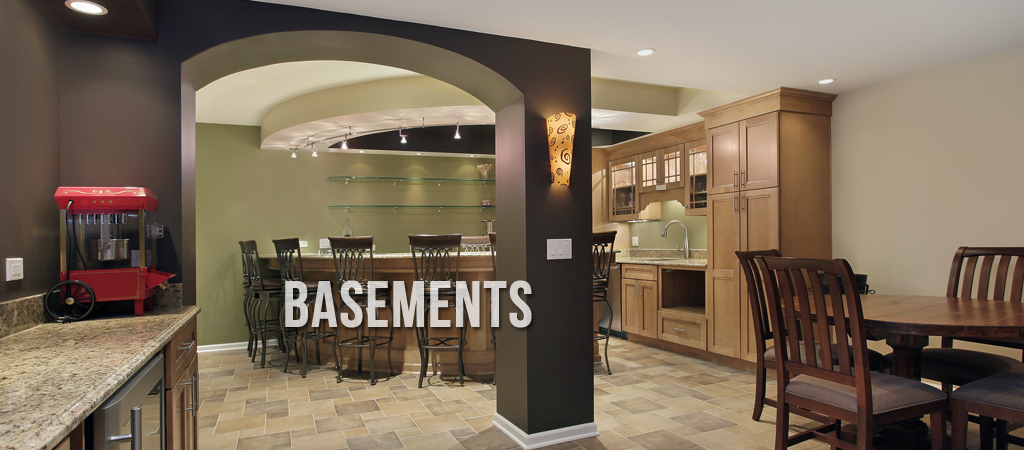
While many DC homeowners focus on aesthetic features like flooring and lighting during basement renovations, they often overlook the critical foundational work that’s necessary for project success.
Foundation repair in DC must precede cosmetic improvements due to the region’s unique challenges—clay-heavy soils, aging housing infrastructure, and stringent building codes. You’ll face costly remediation if you neglect structural issues like settlement cracks, water intrusion, or inadequate ceiling height. These problems compound over time, potentially compromising your entire investment.
Professional assessment reveals whether your basement requires underpinning, waterproofing, or structural reinforcement before renovation proceeds. Addressing these elements first guarantees code compliance and creates a stable platform for your design vision, transforming the space into a safe, functional living area that adds sustainable value to your property.
Introduction
When homeowners consider basement renovations in the Washington DC area, they’re often unaware of the structural prerequisites that must be addressed before aesthetic improvements can begin. The region’s unique soil composition, aging housing infrastructure, and stringent municipal codes necessitate a foundation-first approach to basement transformations.
You’ll find that underpinning DC basements is frequently required to address insufficient ceiling heights, stabilize settling foundations, or create adequate load-bearing capacity. This structural intervention creates the essential framework upon which your entire remodel depends. Without proper foundation work, even the most aesthetically pleasing basement renovation will ultimately fail due to moisture intrusion, structural compromise, or code violations.
Before selecting finishes or designing your new space, confirm your contractor conducts a thorough structural assessment to identify foundation issues that require remediation.
Why Foundation Work Must Come First in Basement Renovation
Although many homeowners enthusiastically envision finished spaces with stylish fixtures and comfortable furnishings, foundation work must serve as the non-negotiable first phase of any basement renovation project. You’re fundamentally building from the ground up, and any structural deficiencies will inevitably compromise your entire investment.
Foundation repair addresses critical issues that, if left untreated, lead to cascading failures throughout your renovation. Water intrusion damages finishes and promotes mold growth. Settlement cracks widen over time, compromising load-bearing capacity. Insufficient ceiling height becomes impossible to correct once mechanicals and finishes are installed. DC’s building codes require these structural elements meet specific standards before permits for finishing work can be approved, making preliminary foundation work both a technical necessity and legal requirement.
Key Structural Techniques for DC Basement Projects
To successfully transform a DC basement into functional living space, you’ll need to employ several specialized structural techniques that address the region’s unique challenges. Underpinning is critical when ceiling height doesn’t meet code, requiring excavation to lower the floor while reinforcing foundation walls. Waterproofing systems must include interior French drains, sump pumps, and vapor barriers to combat the region’s moisture issues.
Structural remodeling often necessitates installing steel I-beams or LVLs to replace load-bearing walls, creating open-concept spaces while maintaining structural integrity. Foundation crack repair through epoxy injection or carbon fiber reinforcement prevents water infiltration and restores wall strength. For homes with settling issues, helical piers may be required to stabilize the foundation before finishing work begins. These techniques guarantee your basement meets building codes while providing a durable, habitable space.
Regional Challenges in the DC Metro Area
Homeowners in the DC metro area face unique structural challenges that significantly impact basement remodeling projects. The region’s clay-heavy soil experiences significant expansion and contraction with moisture fluctuations, exerting lateral pressure on foundation walls that accelerates deterioration in the area’s aging housing stock.
Your basement’s vulnerability increases during the Mid-Atlantic’s seasonal cycles of heavy rainfall and varying groundwater levels, necessitating detailed basement waterproofing solutions beyond standard treatments. The challenge intensifies in neighborhoods with historic homes, where outdated foundation systems weren’t designed for today’s living standards.
DC’s stringent building codes further complicate renovations, requiring structural assessments and often mandating foundation reinforcement before cosmetic improvements can proceed. Understanding these regional nuances is critical when planning your basement transformation to guarantee structural integrity and long-term value.
Code Compliance & Permitting Essentials
When undertaking a basement remodeling project in the DC metro area, you’re required to navigate a complex web of municipal codes that govern everything from ceiling heights to egress requirements. DC’s permitting process demands strict adherence to International Residential Code standards, particularly regarding minimum 7-foot ceiling heights, proper emergency exits, and ventilation systems.
Before demolition begins, you’ll need to secure permits that verify your structural modifications comply with local zoning regulations. This includes foundation alterations, load-bearing wall modifications, and waterproofing systems. The code compliance documentation must detail how your project addresses radon mitigation, fire separation, and electrical safety standards.
Failing to obtain proper permits risks costly stop-work orders and potential removal of non-compliant work. Professional contractors like Touchstone Remodelers navigate these requirements efficiently, ensuring your basement renovation meets all legal standards while avoiding permitting delays.
Common Structural Issues in DC Homes
Washington DC’s unique geological and historical circumstances create distinct foundation challenges that you’ll need to address before beginning any basement renovation.
Most common are shifting foundations caused by the region’s marine clay soils, which expand when wet and contract during drought cycles. You’ll frequently encounter step-cracking in mortar joints, horizontal foundation fissures, and bowed walls requiring immediate basement settlement repair.
Older DC homes often suffer from deteriorating masonry, where decades of freeze-thaw cycles have compromised structural integrity. Water intrusion through these compromised foundations leads to efflorescence and structural rot in wooden support members.
Additionally, many properties feature inadequate ceiling heights due to original construction as coal storage areas, necessitating underpinning. Identifying these issues early in your planning process prevents costly mid-project discoveries and guarantees your renovation meets current load-bearing requirements.
Steps in a Structure-First Basement Remodel
Before undertaking any basement transformation, you’ll need to follow a systematic approach that prioritizes structural integrity over aesthetic considerations. Begin with a thorough structural assessment to identify foundation damage, moisture intrusion points, and load-bearing elements. Professional foundation repair must precede any cosmetic work, addressing cracks, settling, or bowing walls through techniques like carbon fiber reinforcement, steel bracing, or underpinning.
Next, implement waterproofing solutions, including interior drainage systems and sump pump installation. Upgrade electrical and plumbing infrastructure to meet current code requirements while accommodating your spatial reconfiguration plans. Only after these critical structural interventions should you proceed with framing, insulation, drywall, and finishing details. This methodical sequence guarantees your investment yields not merely an attractive space, but a structurally sound, code-compliant living area.
Why Homeowners Shouldn’t Skip Structural Work
Though the temptation to reduce costs by bypassing foundation repairs is understandable, this approach ultimately compromises both safety and investment value. Untreated foundation issues invariably worsen over time, transforming minor cracks into catastrophic failures that jeopardize your entire home’s integrity.
DC’s clay-rich soils and aging housing stock create unique structural challenges that require professional assessment. Consulting a structural engineer DC homeowners trust can identify critical vulnerabilities that DIY evaluations miss. These experts determine precise load-bearing requirements and recommend appropriate interventions.
Beyond safety, addressing foundation issues proactively enhances property value and prevents costly emergency repairs. Municipal inspectors scrutinize structural elements rigorously during permit processes, rejecting cosmetic improvements built over compromised foundations. Your basement remodel represents a significant investment—protect it by prioritizing structural integrity first.
How Touchstone Remodelers, LLC Delivers Structure-First Renovations
Touchstone Remodelers, LLC employs a methodical approach to basement renovations that’s fundamentally different from standard contractors. Their structure-first remodeling philosophy begins with thorough foundation assessment, identifying critical issues like settlement cracks, hydrostatic pressure points, and load-bearing deficiencies before aesthetic planning commences.
You’ll benefit from their integrated engineering protocols that address your home’s specific structural challenges. Their process includes precision underpinning for ceiling height optimization, engineered waterproofing systems calibrated to DC’s soil conditions, and code-compliant structural reinforcement. Unlike contractors who merely conceal foundation problems, Touchstone’s technical teams systematically remediate underlying issues.
This structure-first remodeling methodology guarantees your basement transformation delivers both immediate livability and long-term structural integrity—creating spaces that maintain value while meeting DC’s stringent building regulations.
Conclusion
When investing in basement remodeling, you’re making a significant structural decision that extends beyond aesthetic improvements. The foundation work required for Washington DC basements isn’t merely preliminary—it’s essential for ensuring code compliance, structural integrity, and long-term value. Without addressing foundational issues first, your basement renovation may eventually succumb to moisture intrusion, settling, or structural failure.
Touchstone Remodelers, LLC’s structure-first approach recognizes that each DC home’s foundation presents unique challenges requiring specialized solutions like underpinning, waterproofing, and crack remediation. By prioritizing these foundational elements, you’re protecting both your renovation investment and your home’s overall stability. The additional investment in proper structural preparation ultimately yields greater functionality, durability, and resale value—transforming your basement from a problematic space into an integral, valuable part of your home.