
Restoring historic homes in Maryland and DC requires you to carefully preserve architectural details while integrating modern comforts. You’ll need to distinguish between restoration, renovation, and remodeling each impacting your home’s character differently. Prioritize retaining original materials and features, and engage skilled artisans who understand the importance of craftsmanship. Challenges like outdated systems or sourcing period-appropriate materials may arise, but modern upgrades, like discreet plumbing solutions, chatcan enhance livability without compromising aesthetics. Familiarizing yourself with local preservation guidelines and considering design-build approaches can streamline the process. Discover how to navigate these complexities for a seamless blend of history and comfort.
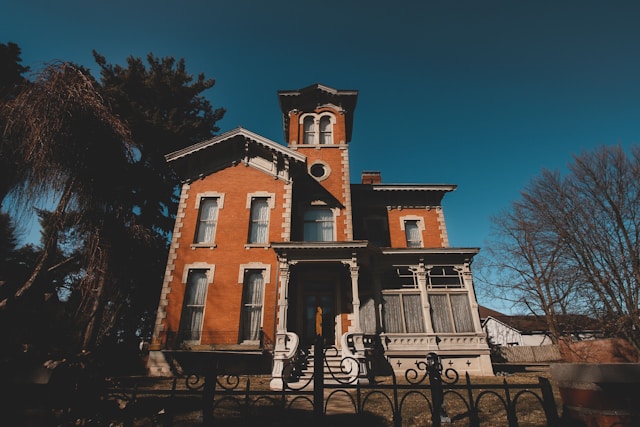
Why historic homes in Maryland and DC require specialized restoration approaches
Restoring historic homes in Maryland and DC isn’t just about aesthetics; it’s a matter of preserving cultural heritage and unique craftsmanship. You’ll find that these homes often showcase intricate details and traditional materials that embody the region’s rich history. This means that when you’re considering a historic home restoration in Maryland, specialized approaches are vital.
Historic preservation remodeling prioritizes maintaining the original character while accommodating modern needs, like improved energy efficiency and updated plumbing. Typical renovations wouldn’t cut it; you need old home restoration contractors who understand the importance of compatibility between new systems and the existing structure. Working with experienced professionals, such as an nj custom home builder, can also provide valuable insight into balancing modern construction techniques with thoughtful design and craftsmanship.
Moreover, each home tells a story, reflecting different construction methods and design philosophies from its era. In many cases, a superficial renovation could erase these narratives, diminishing the home’s value and charm. Hence, a specialized approach guarantees you’re not just enhancing livability but also upholding the architectural integrity and historical significance of the property. Engaging the right team is essential for a successful restoration that honors the past while creating a comfortable future.
Understanding the difference between restoration, renovation, and remodeling
Three key terms often arise in the context of historic home projects: restoration, renovation, and remodeling. Understanding these concepts is essential for anyone commencing on a journey of historic home remodeling.
Restoration focuses on returning a property to its original condition by preserving or reclaiming historical features. This approach is crucial in scenarios like historic restoration in Montgomery County, where maintaining architectural integrity is a priority.
Renovation, on the other hand, involves updating or enhancing spaces to improve functionality or aesthetic appeal without necessarily reverting to original conditions. A historic renovation in DC might include modernizing kitchens or bathrooms while respecting the home’s legacy.
Remodeling is more transformative, often altering the existing structure or layout greatly. It can blur the lines between restoration and renovation, as it typically involves both preserving elements and creating new spaces.
Knowing the distinction between these concepts will help you decide the best approach for your historic home. Whether you’re leaning towards historic home remodeling, restoration, or renovation, clarity in these terms will guide you to make informed decisions that honor your property’s history while enhancing comfort.
Key principles for preserving original architectural character
When it comes to preserving the original architectural character of historic homes, understanding the key principles is vital for any homeowner commencing on a restoration journey. First, prioritize retaining original materials and features that define your home’s character; they hold historical significance. During your historic home renovation, consider extensive documentation of existing details before making alterations. This guarantees you have a clear reference for restoring authentic elements in any Maryland historic home remodel or DC row house renovation.
Next, utilize compatible materials that mirror the original’s aesthetics while enhancing durability. It’s important to do thorough research on historical building practices to guarantee your updates blend seamlessly with the existing architecture.
Don’t overlook the importance of craftsmanship. Seek skilled artisans familiar with traditional techniques to maintain the integrity of original designs. Finally, recognize the value of a cohesive design; additions or modifications should complement the historical context rather than clash with it. Following these principles not only enhances your home’s comfort but also celebrates its unique heritage, creating a living space that honors the past while accommodating modern needs.
Common challenges found in historic homes including aging systems and materials
Historic homes, while rich in character and charm, often come with their share of challenges stemming from aging systems and materials. One primary concern is outdated electrical wiring, which may not meet modern safety standards or support contemporary appliances. You’ll likely encounter aged plumbing, too, with potential leaks or deteriorating pipes that can lead to water damage if not addressed promptly.
Additionally, building materials in these homes may no longer be readily available or compatible with modern practices. For instance, restoring original windows can be demanding, as finding replacement parts or specialists with the necessary skills isn’t always straightforward. This is where a knowledgeable partner, like Touchstone Remodelers, can help navigate these complexities.
In the context of a historic home renovation in Silver Spring, you’ll need to weigh the benefits of preserving original features against the necessity of updating systems for comfort and functionality. The intersection of historical integrity and modern needs creates challenges, but with the right approach, you can enhance the home’s livability without sacrificing its character. Strategic planning will guarantee that these renovations respect the original architecture while addressing the practicalities of contemporary living.
Modern electrical, plumbing, and energy upgrades for older properties
How can you modernize the electrical and plumbing systems in your historic home while honoring its unique character?
Start by evaluating your existing systems. Older homes often have outdated wiring and plumbing that don’t meet current safety codes. You’ll want to hire licensed professionals who specialize in historic restoration. They understand how to integrate modern materials discreetly, ensuring that upgrades don’t clash with your home’s original aesthetics.
Consider using conduit and piping that can be easily hidden behind walls or within existing structures. For electrical upgrades, LED fixtures can provide energy efficiency while selecting styles that reflect the period of your home. Keep in mind that an electrician can often reposition outlets and switches to blend seamlessly with your home’s design.
When it comes to plumbing, utilize modern fixtures that mimic vintage styles. This approach maintains your home’s character while improving functionality. Energy-efficient systems like tankless water heaters can be installed, using smart solutions to maintain a traditional look.
Balancing these modern upgrades while preserving the charm of your historic home requires diligence and thoughtful planning, but with the right approach, it’s certainly achievable.
How to improve comfort without compromising historic design elements
Improving comfort in a historic home without sacrificing its architectural integrity requires a strategic approach that respects the original design while integrating modern amenities. Focus on insulation, for instance. By using traditional materials like hemp or cellulose, you can enhance energy efficiency while preserving your home’s character. It’s also essential to reflect on window treatments; selecting period-appropriate options, such as wood shutters or classic draperies, can balance aesthetics and functionality.
When upgrading HVAC systems, opt for ductless mini-splits that provide climate control without the need for extensive modifications. This way, you maintain your ceiling heights and avoid visible ductwork. Additionally, when improving lighting, carefully select fixtures that mirror historic styles, ensuring they harmonize with the home’s design. You might even think about incorporating LED bulbs for energy efficiency without altering the ambiance.
Lastly, pay attention to hardware and finishes. Reproducing original door knobs and hinges not only adds comfort but also strengthens historic character. Each improvement you make should enhance livability while carefully curated to respect and celebrate your home’s unique history. Through deliberate choices, you can create a comfortable, modern space that remains rooted in its past.
Historic kitchen restoration ideas that blend old and new features
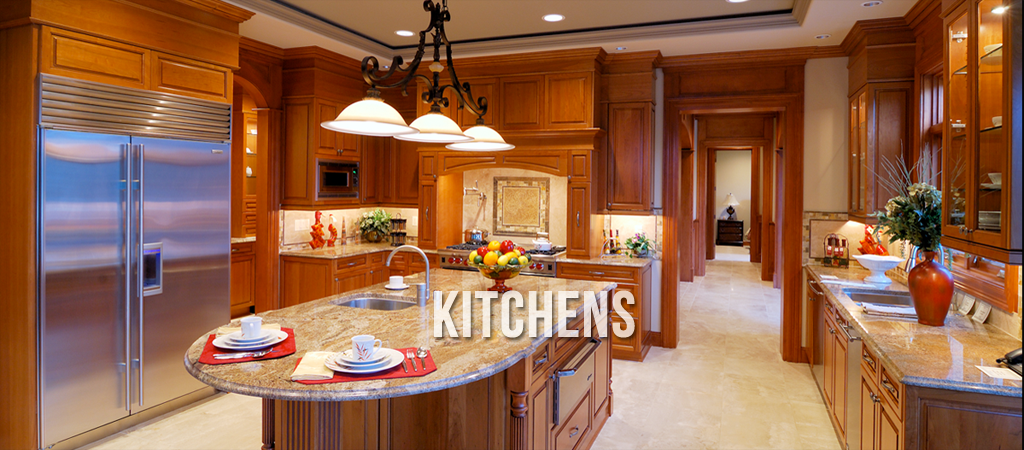
Often, blending old and new in kitchen restorations requires a thoughtful approach that respects the home’s character while ensuring functionality meets modern needs. Start by preserving original elements like crown moldings or exposed beams, as these features anchor the design in history. You can pair these with contemporary materials, such as sleek quartz countertops or energy-efficient appliances, to enhance usability without sacrificing style.
Consider incorporating a farmhouse sink that echoes traditional designs yet offers modern practicality. When choosing cabinetry, mix old-world charm with modern functionality by opting for shaker-style doors paired with updated hardware. A harmonious color palette—soft whites or muted pastels—can help unify old and new components while maintaining a historic feel.
Lighting is essential as well; vintage-style pendant lights can serve as focal points while providing updated functionality. Finally, consider the layout: an open floor plan can increase flow and light while ensuring updated appliances are discreetly integrated. By thoughtfully selecting elements that honor the past and embrace the present, you’ll achieve a kitchen space that’s both functional and steeped in history.
Bathroom upgrades that improve function while preserving character
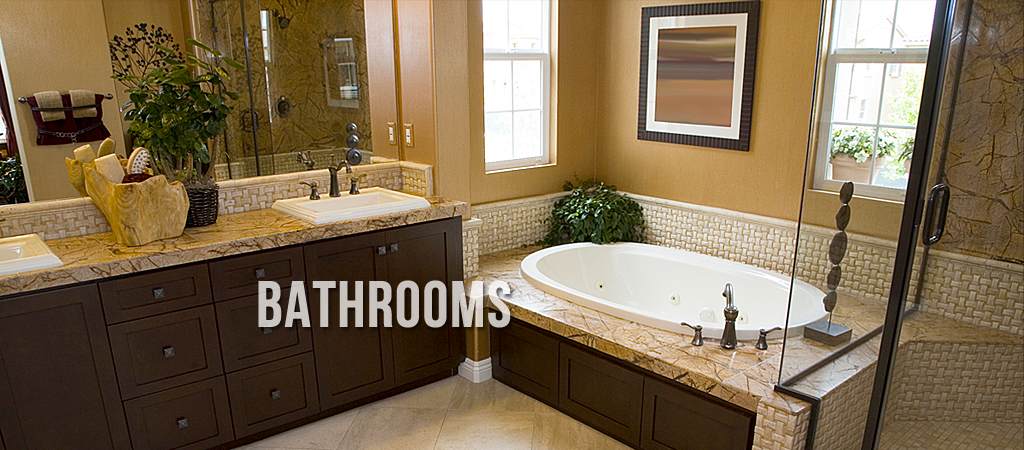
Balancing modern functionality with historic charm can transform a bathroom into a serene retreat that respects its heritage. Upgrading your bathroom while maintaining its character requires thoughtful choices, ensuring that the aesthetic harmonizes with the home’s overall design. Start by evaluating the original fixtures and materials—preserving a vintage clawfoot tub or original tile can add nostalgia while enhancing utility.
Consider these key upgrades to enhance both function and historic appeal:
- Water-efficient fixtures: Install low-flow faucets and toilets that reduce water usage but complement the style of your home.
- Vintage-inspired lighting: Choose fixtures that reflect the period of your house, such as ornate sconces or pendant lights, to create a warm glow.
- Classic cabinetry: Opt for custom cabinetry that mirrors the craftsmanship of the era, using quality woods and finishes that tie into the home’s design.
- Restoration of original details: Retain or restore historic elements like wainscotting, molding, or even the original flooring, merging the past with modern upgrades seamlessly.
These enhancements can make your bathroom enjoyable and functional without sacrificing its unique historical charm.
Preservation strategies for Colonial, Victorian, Craftsman, and row houses
Preservation strategies for Colonial, Victorian, Craftsman, and row houses require a nuanced understanding of each architectural style’s unique features and historical significance. For Colonial homes, emphasize restoring symmetry and original materials, such as wood siding or brick, which reflect their early American roots. When dealing with Victorian houses, pay attention to intricate trim and bold color palettes that capture the whimsy of the era, while guaranteeing windows and doorways maintain their original proportions.
Craftsman homes favor natural materials and handcrafted details. It’s essential to replace or repair original woodwork and built-ins to preserve their integrity. Avoid modern replacement parts that lack authenticity; instead, seek custom solutions that honor the original craftsmanship. Row houses often present unique challenges due to their connected nature. Focus on maintaining uniformity with neighbors while allowing for personal touches, particularly in facade restoration and window treatments.
Engaging in thorough research about the history of your specific home can further inform your preservation decisions. By prioritizing these strategies, you can guarantee that your restoration honors the architectural legacy while accommodating contemporary needs.
Planning additions and expansions that complement historic architecture
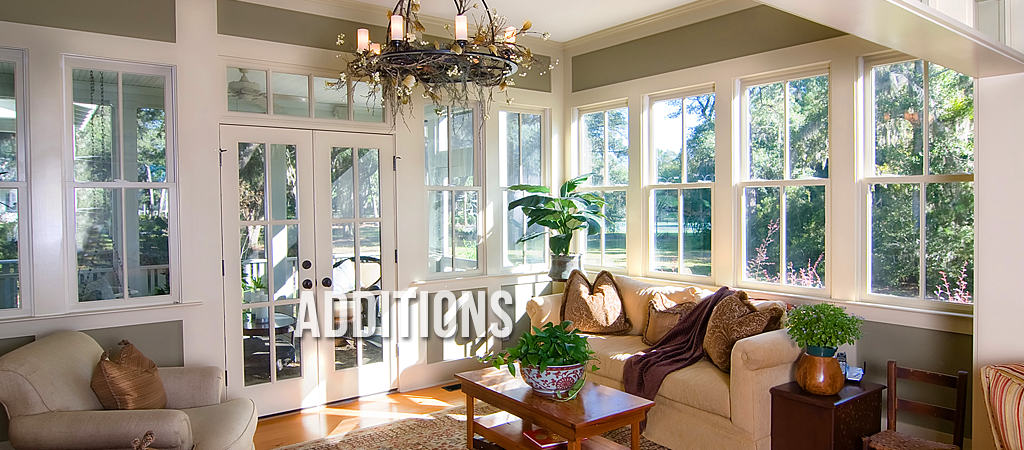
While you may be keen to expand your historic home to meet modern needs, it’s crucial to guarantee that any additions or expansions harmonize with the existing architectural style. When planning these enhancements, focus on design elements that respect the original character of your property. Start by considering the proportions, materials, and textures that reflect the historic design, ensuring that new constructions don’t overshadow the existing structure.
Here are some key points to keep in mind:
- Material Matching: Use complementary materials that match the original building structure.
- Architectural Details: Incorporate design features like moldings and window trims consistent with the home’s era.
- Placement Considerations: Situate additions to minimize disruption to the façade and maintain sightlines.
- Scale and Proportion: Confirm the size of the addition feels naturally integrated with the home rather than imposing.
Importance of permits and historic preservation guidelines
Securing the right permits and adhering to historic preservation guidelines is essential for anyone undertaking a restoration project on a historic home. These regulations exist to protect the integrity of historic neighborhoods and guarantee that any modifications are in harmony with the original architecture. Before you start, familiarize yourself with local zoning laws and guidelines set forth by preservation boards. This knowledge will help prevent costly mistakes or the need for undoing work that doesn’t comply.
Permits not only validate your project’s legitimacy but also provide a framework for the scope of work you plan to undertake. They help in evaluating structural changes, guaranteeing compliance with safety standards, and preserving the home’s character. Additionally, seeking guidance from local preservation experts can help you identify specific materials and techniques that align with historical accuracy, all while achieving modern standards of living.
Neglecting to secure appropriate permits can lead to legal repercussions, including fines or mandatory restoration to original conditions. Ultimately, an informed approach will preserve your home’s unique heritage while allowing you to enjoy modern comforts, making your project both responsible and rewarding.
Why design-build remodeling benefits complex historic restoration projects
Design-build remodeling can be a game-changer for homeowners tackling complex historic restoration projects. This integrated approach streamlines the restoration process, making it easier for you to navigate the numerous challenges associated with preserving your home’s unique character. By using a single team for both design and construction, you’ll benefit from improved communication, quicker decision-making, and a unified vision from start to finish.
Here are some key advantages of design-build for historic restoration:
- Streamlined Coordination: One team handles design and construction, minimizing miscommunication and enhancing efficiency.
- Expert Guidance: Designers and builders experienced in historic properties can advise on appropriate materials and techniques that honor the architectural integrity.
- Cost-Effective Solutions: By integrating the design and building phases, you’re less likely to incur unexpected costs due to changes or delays.
- Customized Flexibility: You can adapt plans as needed without compromising your overall vision, ensuring your preferences are prioritized while respecting the home’s history.
Touchstone Remodelers, LLC historic home restoration and remodeling expertise
When it comes to restoring historic homes, Touchstone Remodelers, LLC brings a wealth of expertise that bridges traditional craftsmanship with modern construction methods. Their approach focuses on honoring the unique architectural elements that make each home special, while integrating contemporary conveniences. This balance is vital for achieving a successful restoration that doesn’t compromise a home’s historical integrity.
Their team possesses in-depth knowledge of preservation practices and the specific building codes applicable in Maryland and DC. Touchstone understands that using compatible materials is critical not only for authenticity but also for the longevity of the restoration. They meticulously assess original features—like moldings, windows, and flooring—making certain that any updates enhance rather than detract from the home’s character.
Moreover, their experience in design-build remodeling allows them to incorporate modern amenities. From energy-efficient systems to updated plumbing, Touchstone expertly navigates the complexities of retrofitting historic homes. This guarantees that you receive a seamless blend of old-world charm and modern comfort, transforming your home into a functional space that respects its heritage while catering to contemporary needs. With Touchstone, you can trust that your restoration project is in capable hands, focused on preserving your home’s legacy.
Conclusion
Preserving your home’s legacy while adapting it for modern living is achievable through thoughtful restoration solutions. By finding a balance between historic details and contemporary amenities, you can create a space that honors the past while ensuring comfort for today’s lifestyle. When you consider modern restoration, it’s important to choose approaches that enhance functionality without sacrificing character.
To help you in your restoration journey, keep these key points in mind:
- Understand Historical Significance: Research your home’s architectural style and history to make informed decisions.
- Incorporate Energy Efficiency: Utilize modern insulation and energy-efficient systems that blend seamlessly with your home’s design.
- Choose Compatible Materials: Source materials that match the original style while maintaining modern durability and function.
- Work with Experts: Engage professionals who specialize in historic homes to guide you through the restoration process.