


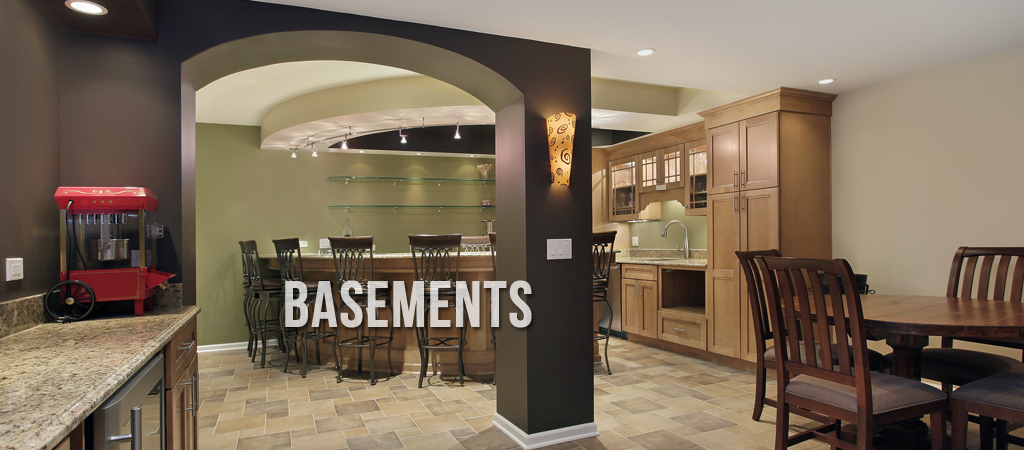

Home remodeling projects are often exciting yet complex undertakings that require careful planning, coordination, and execution. From kitchen upgrades to full home renovations, the success of any remodeling project depends largely on how well it is managed. Without proper oversight, projects can quickly face delays, budget overruns, and communication breakdowns.
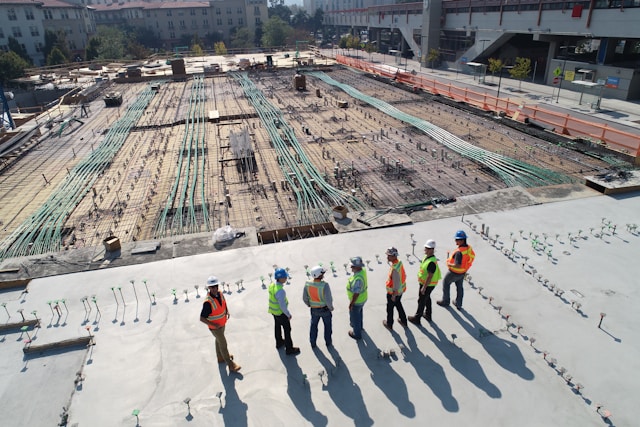
This article explores Project Management in Home Remodeling: How Touchstone Remodelers, LLC Delivers Efficient and Transparent Renovations, highlighting how structured workflows, digital tools, and client-focused strategies ensure smooth project delivery and high levels of customer satisfaction.
The Importance of Project Management in Home Remodeling
Project management is the backbone of any successful remodeling project. It provides the structure needed to coordinate tasks, manage resources, and ensure that all aspects of the renovation align with the client’s goals.
Key Functions of Project Management
- Planning and defining project scope
- Scheduling tasks and timelines
- Managing budgets and resources
- Coordinating contractors and suppliers
- Monitoring progress and quality
A key insight emphasizes this role: Strong project management is the backbone of successful remodeling projects, ensuring timelines and budgets are maintained.
Without effective project management, even the most well-designed remodeling plans can fall short during execution.
Understanding the Remodeling Workflow
A well-organized remodeling workflow ensures that every phase of the project is executed efficiently. From initial consultation to final walkthrough, each step must be carefully managed.
1. Initial Consultation and Planning
The process begins with understanding the client’s vision, budget, and timeline. This stage involves:
- Defining project goals
- Assessing feasibility
- Creating initial design concepts
2. Design and Pre-Construction
During this phase, detailed plans are developed, including:
- Architectural designs
- Material selection
- Cost estimation
Clear planning at this stage reduces the risk of unexpected issues later in the project.
3. Construction and Execution
This is where the physical transformation takes place. Effective coordination ensures that:
- Tasks are completed in the correct sequence
- Materials arrive on time
- Work progresses according to schedule
4. Final Inspection and Completion
The final phase focuses on quality assurance and client satisfaction. This includes:
- Final walkthroughs
- Addressing any remaining issues
- Ensuring the project meets expectations
Client Communication: The Foundation of Transparency
One of the most critical aspects of remodeling is communication. Clients need to stay informed about progress, costs, and any changes that may arise.
Why Communication Matters
Clear and consistent communication helps:
- Prevent misunderstandings
- Manage expectations
- Build trust between clients and contractors
This relationship can be summarized as: Transparent Communication → Trust → Repeat Business
Touchstone Remodelers’ Approach to Communication
Touchstone Remodelers, LLC emphasizes open and continuous communication throughout the project lifecycle. Clients are kept informed through:
- Regular updates
- Progress reports
- Direct communication channels
This approach ensures that clients feel involved and confident in the process.
Leveraging Digital Tools for Efficiency
Technology has transformed the way remodeling projects are managed. Digital tools allow for real-time updates, improved coordination, and greater transparency.
The Role of Transparency Tools
Modern project management platforms provide:
- Real-time project tracking
- Budget monitoring
- Communication dashboards
- Document sharing
A key insight highlights this advantage: Touchstone Remodelers leverages online management tools and internal software to streamline communication and reduce delays.
Enhancing the Client Experience
The impact of digital tools can be summarized as: Digital Tools → Real-Time Updates → Improved Client Experience
Clients can access project information anytime, giving them greater control and visibility over their renovation.
Scheduling and Coordination: Keeping Projects on Track
Scheduling is one of the most challenging aspects of home remodeling. Multiple tasks must be coordinated to ensure that the project progresses smoothly.
Effective Scheduling Systems
Project managers use structured systems to:
- Allocate resources efficiently
- Sequence tasks correctly
- Avoid delays and conflicts
This relationship can be expressed as: Scheduling Systems → Resource Allocation → On-Time Completion
Coordinating Teams and Resources
Remodeling projects involve various professionals, including:
- Designers
- Contractors
- Subcontractors
- Suppliers
Effective coordination ensures that everyone works together seamlessly, minimizing disruptions and maintaining momentum.
Agile Coordination and Flexibility
Remodeling projects often encounter unexpected challenges, such as design changes or unforeseen structural issues. Agile project management allows teams to adapt quickly.
Responding to Changes
Agile coordination enables:
- Faster decision-making
- Flexible adjustments to plans
- Reduced impact of unexpected issues
A key insight emphasizes this benefit: Agile coordination allows faster responses to design changes or unexpected issues.
Maintaining Project Momentum
By adapting quickly to changes, project managers can keep the project moving forward without significant delays.
Transparency in Budgeting and Scheduling
Transparency is a critical factor in building trust with clients. Clear and open communication about costs and timelines ensures that clients understand every aspect of the project.
Budget Transparency
Clients are provided with:
- Detailed cost breakdowns
- Updates on expenses
- Clear explanations of changes
Schedule Transparency
Providing accurate timelines and regular updates helps clients plan accordingly and reduces uncertainty.
A key insight reinforces this: Transparency in scheduling, budgeting, and updates builds client trust and satisfaction.
Best Practices for Effective Remodeling Project Management
To achieve successful outcomes, remodeling companies should follow industry best practices:
1. Use Centralized Project Management Platforms
Tools like Buildertrend or CoConstruct help streamline communication and project tracking.
2. Maintain Consistent Client Updates
Regular reports and dashboards keep clients informed and engaged.
3. Document Every Phase
Detailed documentation ensures accountability and clarity throughout the project.
4. Prioritize Flexibility
Be prepared to adapt to changes and unexpected challenges.
Why Touchstone Remodelers, LLC Stands Out
In the context of Project Management in Home Remodeling: How Touchstone Remodelers, LLC Delivers Efficient and Transparent Renovations, the company distinguishes itself through its commitment to efficiency, transparency, and client satisfaction.
Key Strengths
- Structured project management processes
- Advanced digital tools for transparency
- Strong communication practices
- Agile and responsive team coordination
These elements combine to create a seamless remodeling experience for clients.
The Future of Project Management in Remodeling
As the remodeling industry continues to evolve, project management practices are becoming more sophisticated.
Emerging Trends
- Increased use of digital platforms
- Integration of smart home technologies
- Greater emphasis on sustainability
- Enhanced client collaboration tools
These innovations will further improve efficiency, transparency, and overall project outcomes.
Conclusion
Home remodeling projects require more than just skilled craftsmanship—they demand effective project management to ensure success. As explored in Project Management in Home Remodeling: How Touchstone Remodelers, LLC Delivers Efficient and Transparent Renovations, structured workflows, clear communication, and advanced tools play a crucial role in delivering high-quality results.
By prioritizing transparency, leveraging digital tools, and maintaining strong coordination, Touchstone Remodelers, LLC provides clients with a reliable and stress-free remodeling experience. Their approach demonstrates how modern project management practices can transform complex renovations into efficient, well-organized, and satisfying projects.