
For decades, basements were primarily viewed as utilitarian spaces reserved for storage, laundry equipment, mechanical systems, and seasonal belongings. In many American homes, especially throughout the Mid-Atlantic and Northeast regions, the basement represented untapped square footage that remained largely disconnected from daily living. Today, however, changing housing trends, rising property values, and evolving lifestyle needs have transformed how homeowners perceive below-grade spaces.
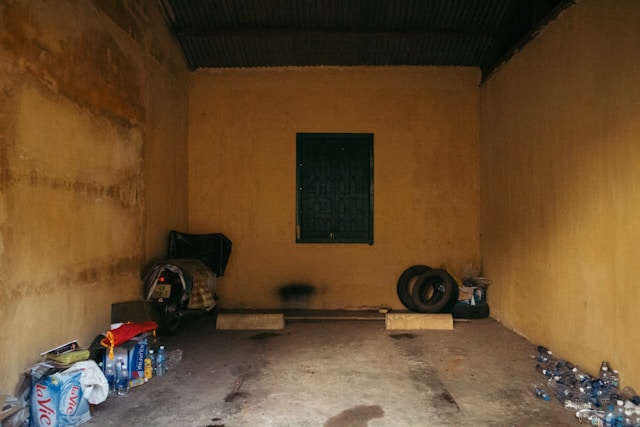
The concept of a finished basement has become increasingly important in residential real estate discussions. Homeowners are seeking ways to maximize existing square footage without expanding their home’s footprint, while buyers increasingly view usable lower-level space as a significant advantage. This shift reflects broader trends in housing affordability, multigenerational living, remote work, entertainment preferences, and flexible home design.
Understanding how finished basements contribute to functionality, livability, and property appeal requires examining the history of basement construction, current housing trends, design innovations, and the economic factors driving homeowner interest in these spaces.
The Historical Purpose of Basements in American Homes
Basements have served practical functions throughout residential construction history. In colder climates, foundations extending below the frost line were necessary to protect structures from seasonal ground movement. As a result, builders often created full basements beneath homes to support structural stability.
Throughout the nineteenth and early twentieth centuries, basements commonly housed:
- Coal storage
- Heating systems
- Water tanks
- Food preservation areas
- Utility equipment
- Workshops
These spaces were rarely designed for comfort or recreation. Limited natural light, moisture concerns, and unfinished materials made them unsuitable for everyday living.
As construction technologies improved during the mid-twentieth century, homeowners began experimenting with recreational basement spaces. Family rooms, game rooms, and hobby areas became increasingly common. By the late twentieth century, finished basements were frequently marketed as bonus living space, particularly in suburban developments where larger homes offered greater opportunities for customization.
Why Homeowners Are Reconsidering Basement Space
Modern homeowners face different challenges than previous generations. Rising home prices, increasing construction costs, and changing family dynamics have elevated the importance of maximizing existing square footage.
Several factors contribute to growing interest in basement renovations.
Remote Work and Home Offices
The widespread adoption of remote and hybrid work arrangements has increased demand for dedicated office space. Many homeowners lack spare bedrooms that can be converted into work environments.
Basements often provide:
- Separation from household distractions
- Privacy for virtual meetings
- Flexible layouts
- Room for multiple workstations
The ability to create a quiet workspace without sacrificing primary living areas has made basement conversions particularly attractive.
Multigenerational Living
According to demographic studies, multigenerational households have become increasingly common in the United States. Adult children, aging parents, and extended family members often share living arrangements for economic or caregiving reasons.
Finished basements can support these living situations by providing:
- Semi-private accommodations
- Independent living areas
- Additional bedrooms
- Shared recreational space
This flexibility allows families to adapt to changing circumstances without relocating.
Entertainment and Recreation
Homeowners increasingly prioritize personalized recreational spaces. Lower-level areas can accommodate:
- Home theaters
- Gaming rooms
- Fitness centers
- Music studios
- Hobby workshops
- Sports viewing areas
Unlike primary living spaces, basements often allow greater freedom for specialized design choices.
The Relationship Between Finished Basements and Home Value
One reason basement renovations receive significant attention is their potential impact on property appeal.
While real estate markets vary by region, finished basements often contribute to a home’s perceived value by increasing usable square footage and enhancing functionality.
Several factors influence buyer interest:
Expanded Living Area
Additional living space remains one of the most desirable residential features.
A finished basement can provide room for:
- Family gatherings
- Overnight guests
- Recreation
- Storage
- Home offices
Buyers frequently evaluate how well a property meets future needs, making flexible spaces particularly attractive.
Competitive Differentiation
In neighborhoods where homes share similar layouts, finished basements may help properties stand out.
Potential buyers often compare:
- Overall condition
- Usable square footage
- Functional versatility
- Entertainment options
A thoughtfully designed lower level can create a stronger impression during home tours.
Adaptability
Modern buyers increasingly value adaptable spaces capable of evolving alongside changing lifestyles.
Basements can transition between:
- Children’s playrooms
- Teen recreation areas
- Home offices
- Guest suites
- Exercise rooms
This versatility broadens a property’s appeal across different demographic groups.
Design Trends Influencing Basement Transformations
Contemporary basement design differs significantly from the dark, enclosed recreation rooms popular decades ago.
Current trends emphasize comfort, flexibility, and visual integration with the rest of the home.
Open-Concept Layouts
Many homeowners seek continuity between basement spaces and upper-level living areas.
Open layouts can support:
- Entertainment zones
- Multipurpose rooms
- Family gathering areas
- Flexible furniture arrangements
Removing unnecessary visual barriers often helps basements feel larger and more inviting.
Enhanced Lighting Strategies
Limited natural light remains one of the biggest challenges in basement environments.
Modern designs frequently incorporate:
- Recessed lighting
- Layered illumination
- Light-colored finishes
- Reflective surfaces
- Larger window wells where possible
These approaches help create brighter and more comfortable interiors.
Luxury Finishes
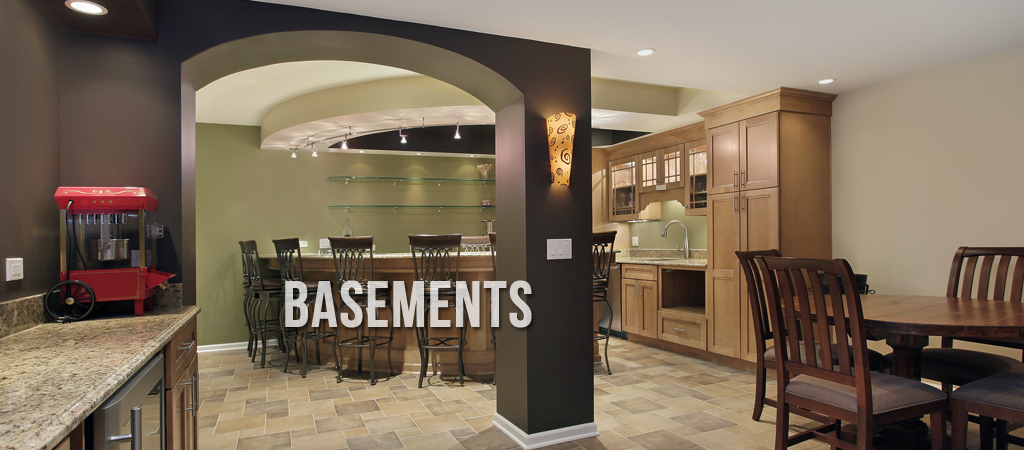
Finished basements increasingly feature materials once reserved for primary living areas.
Examples include:
- Engineered hardwood flooring
- Luxury vinyl plank flooring
- Stone accents
- Custom cabinetry
- Decorative wall treatments
- Built-in shelving
The goal is often to eliminate the perception that the basement is a secondary living space.
The Rise of Home Entertainment Spaces
Entertainment-focused basement design has become a significant trend in residential architecture.
Many homeowners view lower-level areas as ideal environments for leisure activities due to their separation from bedrooms and primary gathering spaces.
Popular features include:
Home Theaters
Dedicated theater rooms often incorporate:
- Large projection screens
- Surround sound systems
- Tiered seating
- Acoustic treatments
These spaces offer immersive viewing experiences that replicate commercial cinemas.
Sports and Game Rooms
Sports enthusiasts frequently convert basements into gathering spaces for watching major events.
Common elements include:
- Large televisions
- Lounge seating
- Billiards tables
- Arcade games
- Bar-style serving areas
These features encourage social interaction and entertainment.
Family Recreation Areas
Open recreation spaces remain popular because they support a variety of activities.
Families often use these rooms for:
- Board games
- Children’s play
- Exercise
- Social gatherings
The versatility of these spaces contributes to their long-term value.
Wellness and Fitness Trends in Basement Design
The growing emphasis on health and wellness has influenced residential renovation priorities.
Many homeowners now dedicate basement areas to physical fitness and personal well-being.
Home Gyms
The popularity of home fitness increased dramatically in recent years.
Basements provide room for:
- Weight training equipment
- Cardio machines
- Yoga studios
- Stretching zones
- Recovery areas
Having a dedicated exercise environment can improve convenience and encourage regular activity.
Wellness Retreats
Some homeowners are incorporating features associated with wellness-focused living, including:
- Meditation rooms
- Sauna installations
- Relaxation lounges
- Spa-inspired design elements
These spaces support stress reduction and personal health goals.
Basement Spaces and Aging in Place
Aging-in-place design has become increasingly important as the population grows older.
Many homeowners wish to remain in their residences for as long as possible.
Finished basements can support this goal when designed thoughtfully.
Potential accommodations include:
- Guest suites for caregivers
- Accessible bathrooms
- Elevator access
- Wider circulation paths
- Flexible living arrangements
By planning ahead, homeowners can create spaces that remain useful across different life stages.
Sustainability Considerations in Basement Renovations
Environmental awareness has influenced nearly every aspect of residential construction.
Basement improvements increasingly incorporate sustainable strategies such as:
Energy Efficiency
Homeowners often seek:
- Improved insulation
- Energy-efficient windows
- LED lighting systems
- Smart climate controls
These upgrades can improve comfort while reducing energy consumption.
Durable Materials
Sustainability often involves selecting materials with long lifespans.
Examples include:
- Recycled-content flooring
- Low-maintenance finishes
- Moisture-resistant products
- High-performance insulation systems
Durability reduces replacement frequency and long-term environmental impact.
Smart Home Integration
Modern basement projects frequently include smart technologies that monitor:
- Temperature
- Humidity
- Lighting
- Security systems
These tools enhance convenience while supporting efficient resource use.
Regional Considerations in the Mid-Atlantic
In regions such as Maryland, Virginia, and Washington, DC, basements play a particularly significant role in residential design.
Several factors contribute to their prevalence:
Climate Conditions
The region’s seasonal weather patterns often require foundations extending below frost depth, making basements a practical construction choice.
Land Constraints
In established suburban and urban neighborhoods, lot sizes may limit outward expansion.
Utilizing existing basement space provides an alternative to building additions.
Housing Market Dynamics
High property values encourage homeowners to maximize every available square foot.
Finished basements often help families remain in desirable neighborhoods rather than pursuing larger homes elsewhere.
Future Trends in Basement Utilization
As housing needs continue evolving, basement spaces are likely to become even more important.
Emerging trends include:
Flexible Multi-Purpose Rooms
Future homeowners may prioritize spaces capable of serving multiple functions simultaneously.
For example:
- Office by day
- Entertainment room by night
- Guest accommodations when needed
Accessory Living Areas
Growing interest in independent living arrangements may encourage greater use of lower-level spaces for extended family and long-term guests.
Technology-Driven Design
Advancements in home automation will likely enhance basement comfort through:
- Automated lighting
- Climate management
- Air-quality monitoring
- Integrated entertainment systems
Personalized Experiences
Homeowners increasingly desire spaces reflecting individual interests and lifestyles, making customizable basement environments especially appealing.
Conclusion
The modern basement has evolved far beyond its traditional role as a storage and utility area. Today, finished lower levels represent valuable opportunities for homeowners to expand living space, support changing family needs, enhance daily comfort, and improve overall property appeal.
Broader housing trends including remote work, multigenerational living, wellness-focused lifestyles, and increasing real estate costs—have accelerated interest in maximizing existing square footage. As a result, basements are being transformed into offices, entertainment centers, fitness studios, guest accommodations, and flexible multipurpose environments.
For homeowners seeking to make better use of their properties, the basement offers one of the most adaptable areas within the home. As residential design continues evolving, finished basements are likely to remain an important component of modern living, providing both practical functionality and long-term value in an increasingly space-conscious housing market.