

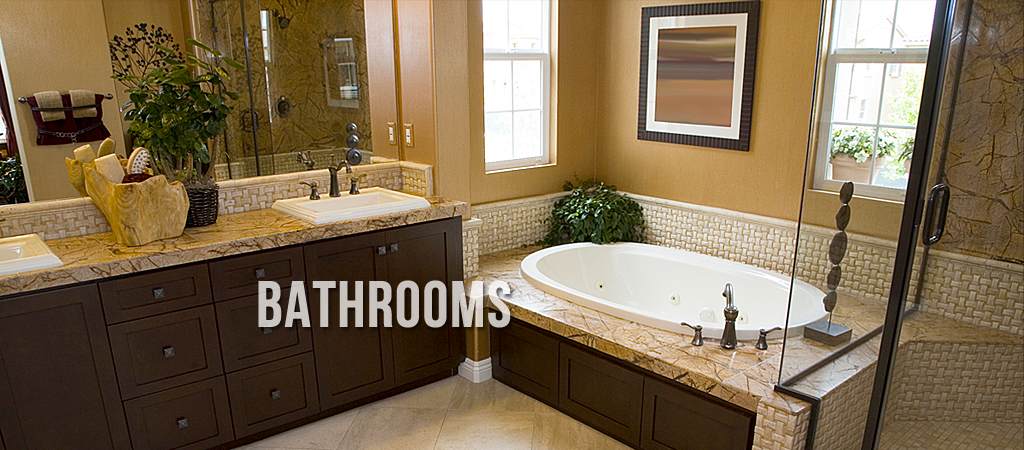
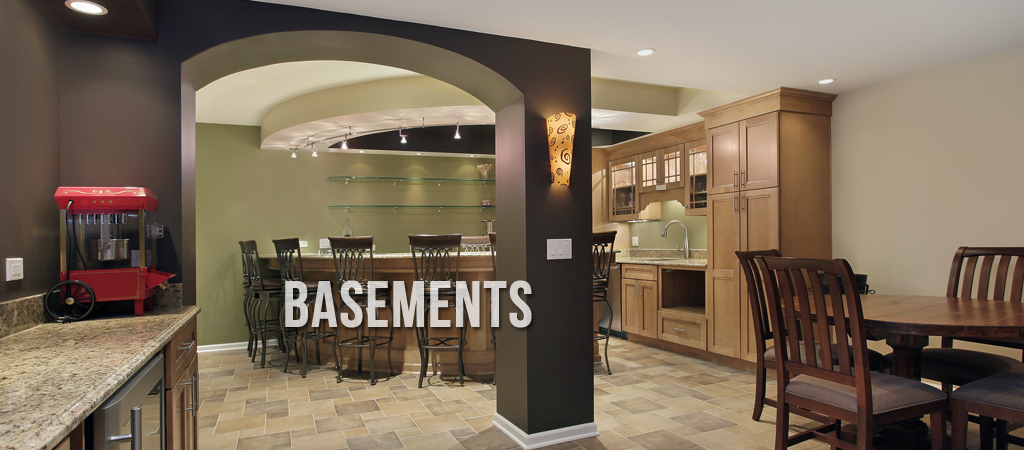
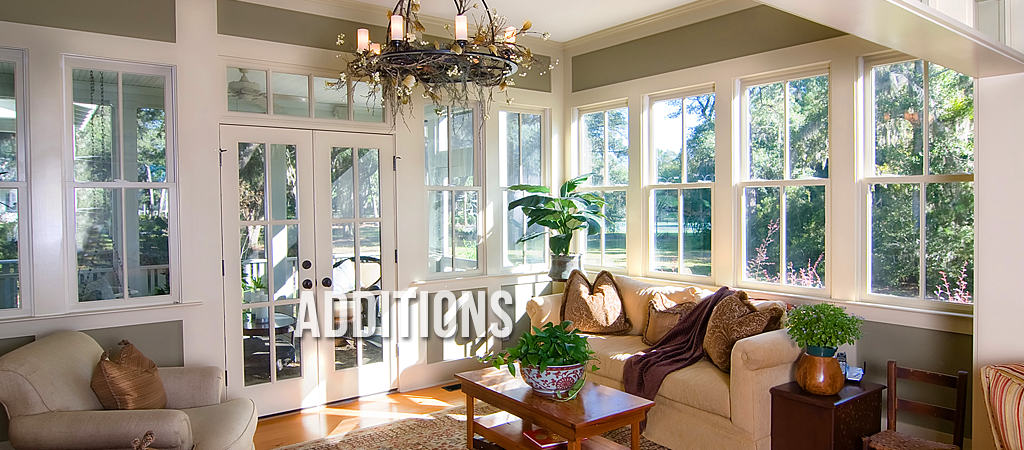
A whole-home renovation is one of the most transformative projects a homeowner can undertake. Unlike smaller updates that focus on a single room, a full-scale renovation reimagines the entire living environment, often involving structural changes, system upgrades, layout redesigns, and complete interior modernization.
In regions with aging housing stock and high property demand such as the Washington metropolitan area, whole-home renovations have become increasingly common. Homeowners in nearby areas like Maryland and Virginia are also investing heavily in large-scale remodeling to improve functionality, increase property value, and align older homes with modern lifestyles.
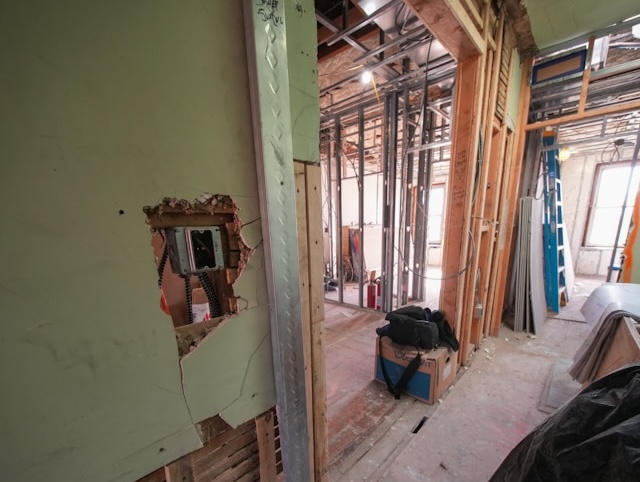
For homeowners considering this type of project, understanding the process is essential. A whole-home renovation is complex, multi-phased, and requires careful coordination between design, engineering, permitting, and construction teams.
This guide walks through each stage of the renovation process so homeowners know what to expect from start to finish.
Step 1: Initial Planning and Goal Setting
Every successful renovation begins with clear goals. Homeowners must first determine why they are renovating and what they hope to achieve.
Common renovation goals include:
- Improving outdated layouts
- Increasing property value
- Expanding usable living space
- Enhancing energy efficiency
- Modernizing finishes and design
- Preparing a home for resale
During this stage, homeowners also evaluate their budget range and establish priorities. Because whole-home renovations often involve multiple systems and rooms, it is important to distinguish between must-haves and optional upgrades.
At this point, many homeowners begin researching design inspiration, material preferences, and long-term lifestyle needs.
Step 2: Hiring the Right Professionals
A whole-home renovation requires collaboration between multiple professionals, including designers, architects, engineers, and contractors.
In the Washington area, where many homes are historic or structurally complex, choosing experienced professionals is especially important.
Key professionals may include:
- General contractors
- Interior designers
- Structural engineers
- Permit specialists
- Specialty subcontractors
A qualified renovation team helps ensure that the project is feasible, code-compliant, and aligned with the homeowner’s vision.
Homeowners should evaluate professionals based on:
- Experience with similar projects
- Portfolio quality
- Communication style
- Project management capabilities
- Licensing and insurance
Strong collaboration at this stage sets the foundation for the entire renovation process.
Step 3: Design Development and Planning
Once the team is in place, the design phase begins. This is where ideas become structured plans.
Design development includes:
- Floor plan redesign
- Room reconfiguration
- Material selection
- Lighting design
- Cabinetry and fixture planning
- Structural adjustments
This stage often involves multiple revisions as homeowners refine their vision.
Space Planning
One of the most important aspects of design development is improving how space is used. Many older homes in the Washington, DC region were not designed for modern open-concept living.
Common improvements include:
- Opening kitchens to living areas
- Expanding primary suites
- Adding home offices
- Improving storage efficiency
Material Selection
Homeowners also begin selecting finishes such as flooring, countertops, tile, and paint colors. These choices must balance aesthetics, durability, and budget.
Step 4: Budget Finalization and Timeline Creation
Once design plans are approved, the project budget and timeline are finalized.
A whole-home renovation budget typically includes:
- Labor costs
- Materials
- Permits and inspections
- Design fees
- Contingency funds (often 10–20%)
- Specialty contractor costs
Because unexpected issues often arise in older homes, contingency planning is critical.
The project timeline is also established, outlining:
- Demolition phase
- Structural work
- Rough-in systems (plumbing, electrical, HVAC)
- Installation phases
- Finishing work
- Final inspection
While timelines vary, whole-home renovations often take several months depending on scope and complexity.
Step 5: Permits and Approvals
Before construction begins, necessary permits must be obtained from local authorities.
In areas like Washington, permitting requirements can be strict, especially for structural modifications or historic properties.
Permits may be required for:
- Electrical work
- Plumbing changes
- Structural modifications
- Additions or expansions
This phase ensures that all work complies with local building codes and safety standards.
Delays in permitting are common, so this step is often built into the project timeline.
Step 6: Demolition Phase
Once permits are approved, demolition begins.
This phase involves:
- Removing old flooring
- Stripping cabinetry and fixtures
- Taking down non-structural walls
- Preparing surfaces for new construction
Demolition can be one of the most dramatic stages of the renovation, as the home is physically transformed.
During this stage, homeowners should expect:
- Noise and dust
- Limited access to certain areas
- Temporary disruption of utilities in some cases
Proper planning helps minimize inconvenience during demolition.
Step 7: Structural and Systems Work
After demolition, the focus shifts to the “behind-the-walls” work.
This includes:
- Framing and structural reinforcement
- Electrical rewiring
- Plumbing updates
- HVAC installation or upgrades
This phase is critical because it ensures the home’s core systems are safe, efficient, and up to modern standards.
Older homes in the DC metro area often require significant updates during this stage due to outdated infrastructure.
Inspections are typically conducted before moving forward to the next phase.
Step 8: Insulation and Drywall Installation
Once systems are in place and approved, insulation is installed to improve energy efficiency and comfort.
Drywall is then added, marking a major visual milestone in the renovation process.
At this stage, homeowners begin to see the shape of their finished home again after weeks of structural work.
Step 9: Interior Finishes and Installations
This is where the renovation becomes visually exciting. Finishes bring the design to life.
Key installations include:
- Flooring
- Cabinets
- Countertops
- Tile work
- Paint and trim
- Lighting fixtures
- Appliances
Coordination between trades is essential during this phase to ensure everything fits properly and aligns with the design plan.
Even small delays in material delivery can impact the schedule at this stage.
Step 10: Final Inspections and Quality Checks
Before the project is considered complete, final inspections are conducted.
Inspectors verify that:
- Electrical systems are safe
- Plumbing is functioning correctly
- Structural work meets code requirements
- All permits are properly closed
Contractors also perform internal quality checks to ensure workmanship meets expectations.
Any necessary corrections or adjustments are completed during this stage.
Step 11: Final Walkthrough and Project Completion
The final walkthrough is the homeowner’s opportunity to review the finished space.
During this walkthrough, homeowners:
- Inspect each room
- Test fixtures and appliances
- Identify any final touch-ups
- Confirm project completion standards
Once everything is approved, the renovation is officially complete.
Living Through a Whole-Home Renovation
One of the most important considerations is how homeowners will live during the renovation.
Depending on the project scope, options may include:
- Staying in the home during construction
- Living in a temporary rental
- Phased renovation by section
Each option has pros and cons related to cost, convenience, and disruption.
Clear communication with the contractor helps manage expectations throughout the process.
Challenges Homeowners Should Expect
Whole-home renovations are rewarding but can be challenging. Common issues include:
- Unexpected structural problems
- Material delays
- Budget adjustments
- Schedule changes
- Noise and disruption
These challenges are normal in large-scale construction projects. A strong project management approach helps minimize their impact.
Benefits of a Whole-Home Renovation
Despite the complexity, the results are often transformative.
Benefits include:
- Increased property value
- Improved functionality
- Modernized design
- Enhanced energy efficiency
- Better use of space
- Improved lifestyle comfort
In competitive real estate markets like the Washington region, these improvements can significantly boost a home’s appeal and marketability.
Conclusion
A whole-home renovation is a detailed, multi-stage process that requires careful planning, skilled professionals, and clear communication. From initial design concepts to final walkthroughs, each phase plays a critical role in achieving a successful transformation.
For homeowners in areas such as Washington, DC, Maryland, and Virginia, where housing stock ranges from historic properties to modern builds, these renovations offer an opportunity to align homes with contemporary living standards while increasing long-term value.
By understanding each step of the process, homeowners can approach renovations with confidence, realistic expectations, and a clear vision of the final result—a fully reimagined home tailored to their lifestyle and needs.